Email is one of the most effective ways to sell your business, even after all these years, thanks to its unparalleled versatility. It may be used for a plethora of purposes, including fostering client loyalty, obtaining crucial feedback, announcing new features, and much more.
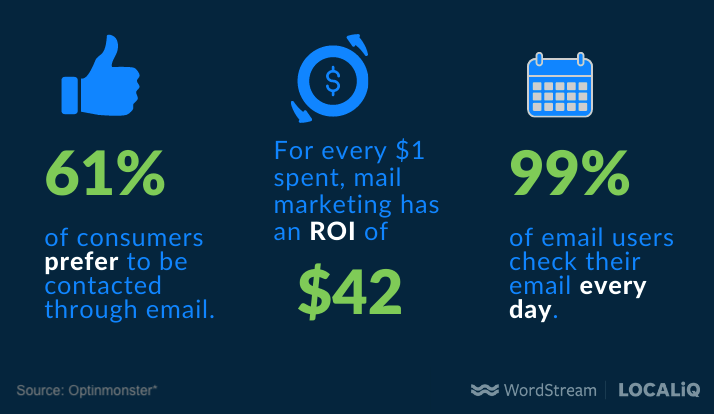
However, with billions of emails sent out each day, you must work extra hard to make your content stand out, capture readers’ attention, and achieve your marketing objectives.
For this reason, we’re going to give you 13 email marketing pointers in this piece to help you get the most out of your campaigns.
First, we’ll cover the essentials and progress from there!
13 email marketing tips for better performing campaigns
Although the best practices for email marketing are generally timeless, the most effective strategies to put them into practice change with the times. The list of tried-and-true email marketing advice that follows is based on current research, digital marketing trends for 2021, and more sophisticated tools that are available to us. Both B2C and B2B email marketing can benefit from these strategies.
1. Segment your subscriber database
Email marketing campaigns can be used for a wide range of purposes, such as welcoming new clients, assisting them through the sales funnel, announcing feature launches, sharing exclusive offers, and more. However, you can only apply these tactics if you divide up your list.
While there are many methods for segmenting, these are some of the most common ones:
- Demographics: To retrieve an email list based on a certain area, use your CRM.
- Engagement: Sending a second, somewhat different email to subscribers who didn’t open your first one might be something you want to consider doing.
- Stage of the customer journey: Make different offerings to new and returning clients.
- Source: Which form did they fill out on your website to provide you with their contact information?
To do this, you’ll need to create rules and conditions in an automated email platform.
2. Personalize your messages
Janrain and Blue Research found that 96% of consumers said they have received promotions or material that is not relevant to them, like:
- offers indicating a lack of familiarity with the client.
- errors pertaining to fundamental client data.
- delivering messages that are inconsistent across several platforms.
Additionally, 68% of consumers automatically delete emails with these kinds of errors, and 54% unsubscribe, according to the same study.
On the other hand, customisation can result in the following advantages:
- Up to 50% more opens can result from customised subject lines.
- The return on investment for personalised emails is 122%.
- Compared to typical marketing, birthday emails can bring in 342% more money per email.
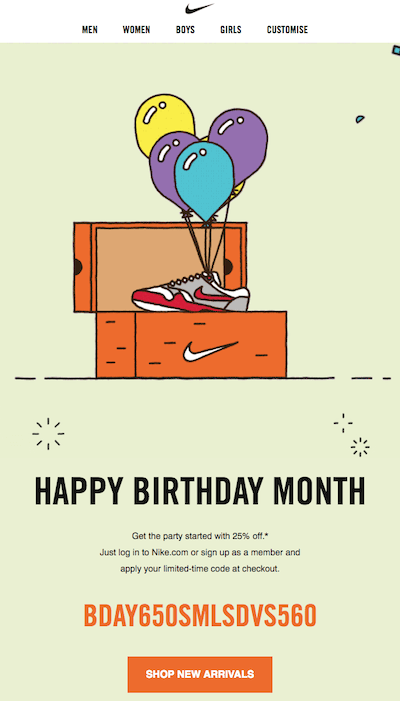
You have a tonne of data on your possible clients that you may utilise for personalisation because of digital marketing.
- Utilise the analytics on your website and social media accounts to determine which subjects, goods, services, or messaging garner the most interaction.
- To get email addresses with a few extra fields so people can provide you the data you need to personalise, use lead forms.
- If your subscriber database is smaller, you can still obtain basic client information, such as name, company, server location, and social network profiles, by using an email lookup tool.
3. Optimize for mobile
52% of users said they would be less likely to work with a company that had a poor mobile experience, and 53% said they would abandon a website that took longer than three seconds to load. Mobile optimisation is essential because 70% of emails are opened on a mobile device and all of your call-to-actions point back to your website.
This is how a mobile-friendly website appears:
- You only need to swipe across one screen to read all pertinent text.
- Both the landing page and the email load rapidly.
- There are tapable, well marked buttons.
- Colour, size, and font style are all aesthetically pleasing.
4. Re-engage inactive subscribers
Even while bringing in new business is crucial, don’t overlook your current clientele! A tempting offer and well-written email can often reactivate a lapsed reader or customer. Analyse your data to determine the kind of content that piqued their interest previously, then send them an updated version. Or just give a price reduction!
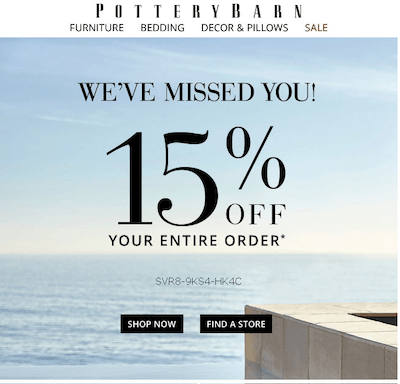
And what about any dormant subscribers who don’t interact with your campaign? Take them out to clean up your email list.
5. Use A/B testing to identify the perfect email
To discover even more about your subscribers, use A/B experiments. Test the headlines, the body of the text, the layout, the colour of the button or CTA, the photos, and more. Just alter one item at a time, like in any A/B test, to enable you to make definitive findings.
Here are a few subject line ideas if you’re offering a free guide on increasing website traffic, for instance:
In this manner, you can determine whether your readers connect better with a prevention-based or goal-based tone, or which terms (such “download” or “guide”) do.
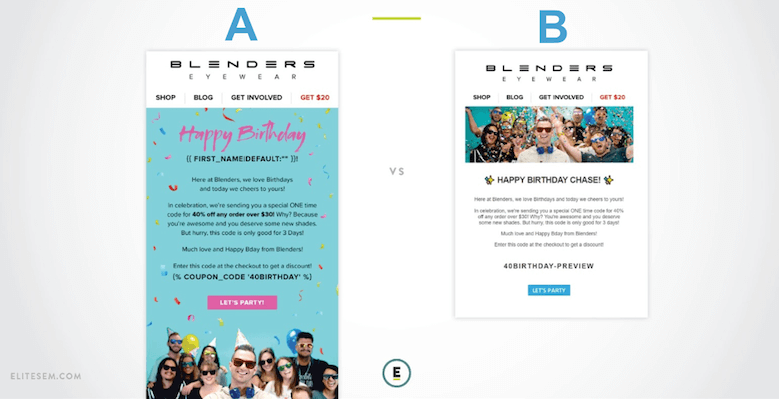
Note: It might not be the best idea to use open rates for A/B testing in conjunction with the iOS 15 release. Discover 13 email marketing techniques for post-iOS 15 here.
6. Set up trigger emails to prevent missed opportunities
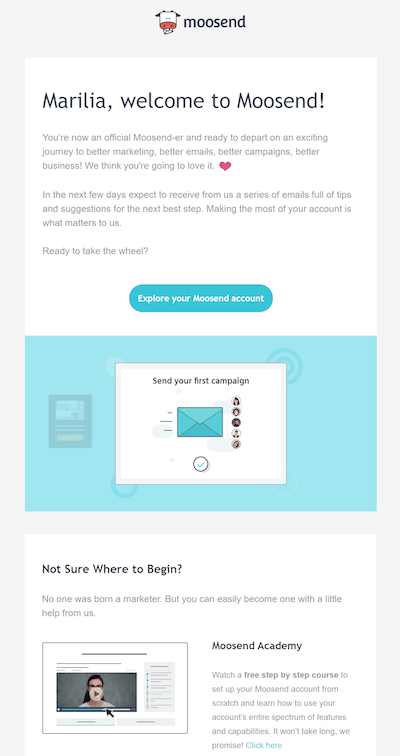
An email that is automatically sent out following a certain action taken by a customer is known as a triggered email. Because you’re reaching your readers when they’re interested, triggered emails have an open rate that is 70.5% higher. For instance, you could send:
- Not long after they leave their cart, they receive a reminder email.
- A request for input following the completion of an order.
- A request for a review soon after the purchase.
- An email welcoming them once they sign up.
7. Nurture leads into customers
A new email list subscriber may very likely become a customer right away for B2C companies and low-cost offerings. But, the choice requires more consideration and research for large-scale purchases and business-to-business marketing. Using nurture emails, you may send out a sequence of emails that progressively enhance offerings and foster trust.
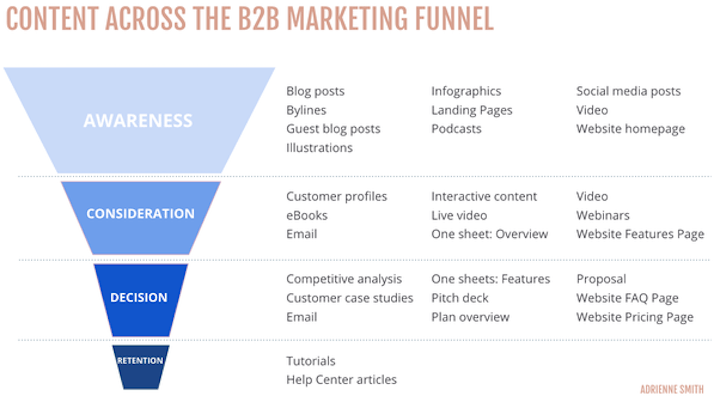
For example, your series might look like this:
When someone joins your list, they receive a welcome email. Later emails request that they:
- Get a pocket guide by downloading it.
- Download an ebook
- Participate in a webinar
- Examine a case study.
- Schedule a consultation.
Because all of the stuff you’re offering is excellent and helpful, and because each “ask” is just slightly different from the last, when you ask them to schedule a consultation, they’ll probably do so! A crucial component of any lead generation process is nurturing.
Use these follow-up email templates to get ideas for your email series.
8. Use emotion to connect
Every client want and pain point may be traced back to an emotion. If you work as an accountant, your clients want to be free of the anxiety that comes with filing their taxes late. They want to know that they will receive the best return on their investment.
If you operate an analytics platform, your target market wants you to take the worry out of their reporting. When making a presentation to their supervisor, they want to feel secure.
Thus, use emotive marketing language in your emails to increase interaction.
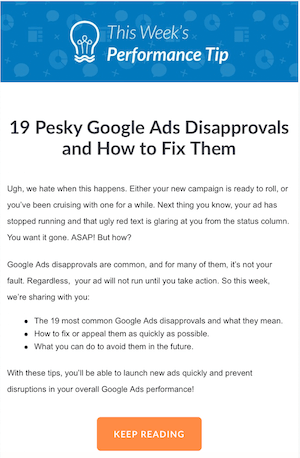
Email marketing is an excellent way to target readers based on specific interests and conduct A/B testing to test new ideas.
9. Showcase your values
Customers now have far higher expectations from businesses than they did in the past. They want to donate their money to organizations that share their beliefs, whose goals coincide with their own, and who see them as more than just a way to make money. They also crave greater openness and vulnerability.
There are several ways you might demonstrate your values:
- Call them out straight: For instance, “No one will fly alone at Flockjay.” One of our basic beliefs is this, and you share it. Our new service center will provide you with human assistance around-the-clock.
- Tell us about your social responsibility accomplishments, such as the number of trees your product has saved this year or the percentage of sales that you have donated to a cause you believe in.
- Finish each email with a motivational saying that relates to your core principles.
10. Tell a story
Stories are captivating and unforgettable, whether they are three sentences or three hundred pages long. Using storytelling can help you achieve better email marketing outcomes in the following ways:
- Give a brief explanation of the origins of your newest commodity or service. The final product will pique readers’ curiosity, and they’ll be reminded of the superior quality of your services.
- Give a synopsis of a success story, then provide a link to the complete narrative for additional information.
- Better yet, you may begin by articulating the client’s issue in a way that they can relate to (use the P-A-S formula), culminate with outstanding (quantifiable) outcomes, and conclude with a call to action that reads, “Find out here” and “How did we do it?”
- As a preface to the remainder of the email, use your imagination to tell your own story. An excellent example of this email marketing strategy can be seen in Sleeknote.
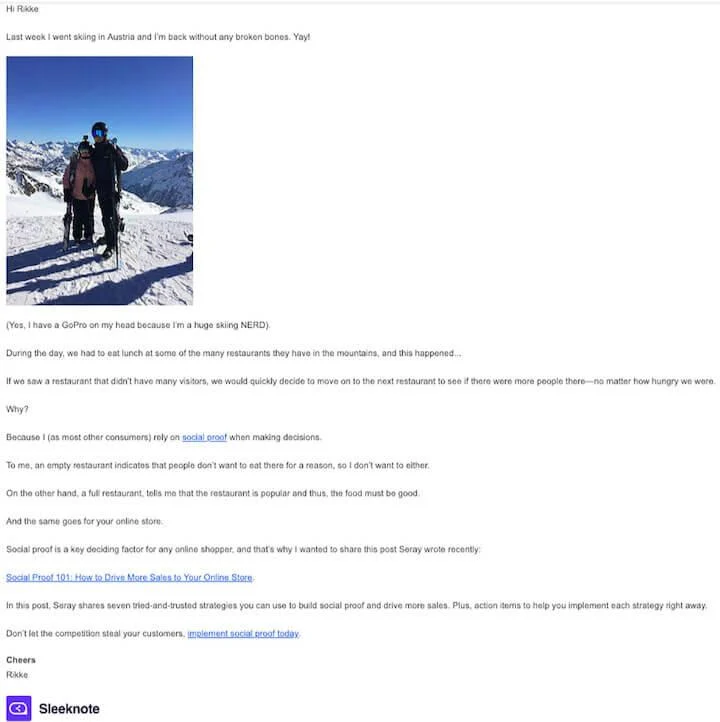
11. Find the right email sending time
In general, the ideal time to send promotional emails is:
- During the day
- On a weekday
- Not Monday
- Midweek
These are only broad guidelines, so your specific customers’ experience might differ. It’s also a good idea to reevaluate because people’s schedules have changed as a result of the pandemic and the rise in remote employment. To determine the best times to send your consumers marketing emails, run A/B testing and make use of your own data.
12. Use dynamic content
One more method to make your marketing more unique is to use dynamic email content. Using this tactic, the email’s content adapts automatically to the preferences of the recipient based on their gender, geography, past purchases, or online activity.
The same template will be sent to customers, but they will see different calls to action, offers, and graphics.
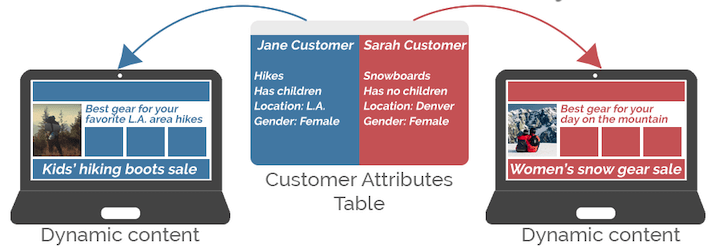
Including a countdown in an email or a live feed from your blog or social media accounts are two more examples of dynamic content.
13. Try out plain text emails
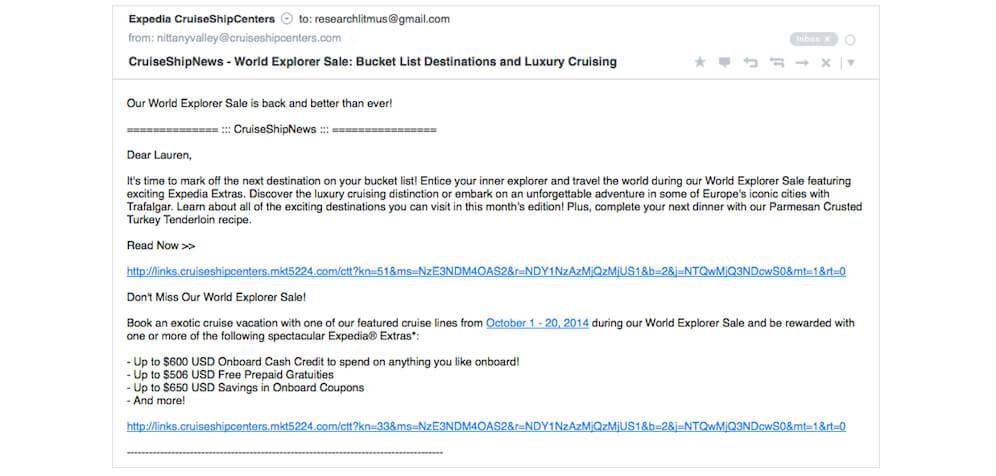
I understand your thought process: only text? However, this is not a misprint. Consumers are beginning to value more understated content amid animated graphics, intricate patterns, and fashionable aesthetics. Plain text emails not only fit in with this trend, but they also look better on voice-activated devices, cellphones, and smartwatches, and they pass easily through privacy, security, and spam filters.
Use these email marketing tips to hit your goals
A new product or service may be promoted, a memorable customer experience can be created, leads can be converted into customers, your brand identity can be strengthened, and you can establish a stronger connection with your audience through email marketing. Thus, be sure to implement these pointers to optimize the outcomes of your campaigns:
- Segment your subscriber database.
- Personalize your messaging.
- Optimize for mobile.
- Re-engage inactive subscribers.
- Use A/B testing to identify the perfect email.
- Set up trigger emails to prevent missed opportunities.
- Nurture subscribers into customers.
- Use emotion in your email copy.
- Showcase your values.
- Tell a story.
- Find the right sending time.
- Try out dynamic content.
- Give plain text emails a try.
*Source for stats in the intro: Optinmonster.